

Manuscript accepted on : 16-05-2025
Published online on: 23-06-2025
Plagiarism Check: Yes
Reviewed by: Dr. Bishop Julius Soyinka
Second Review by: Dr. Sarraa Dhiaa Kasim
Final Approval by: Dr. Wagih Ghannam
Multipurpose Topical Herbal Gel – A Review Article
Vangala Tulasi Iswariya* , Anees Mohammad, Kota Sanihitha, Neerudi Sai kiran and Tadikonda Rama Rao
Department of Pharmaceutics, CMR College of pharmacy, Medchal, Hyderabad, Telangana, India,.
Corresponding Author Email: iswariyapharma@gmail.com
DOI : http://dx.doi.org/10.13005/bbra/3373

ABSTRACT: The current study attempts to create and assess an herbal gel with natural elements that has a therapeutic impact without causing any adverse effects. Protectants, antiseptics, and antimicrobials are just a few of the uses for it topically. The term "herbal formulations" refers to a dosage form that contains one or more herbs or processed herbs in precise amounts to offer particular nutritional and cosmetic benefits intended for use in the diagnosis, treatment, and mitigation of human or animal diseases as well as in modifying the physiology or structure of subjects. Carbapol was used to make the gel, glycerine as softening agent, and natural turmeric. No preservative was added Since they are more compatible with the human body, and have less adverse effects. Herbs have been shown to aid in the treatment of a number of skin conditions, including dermatitis, rashes, allergies, psoriasis, and eczema. Antiseptic, antibacterial, anti-inflammatory, anti-aging, anti-acne, wound healing, anti-ulcer, anti-tumor, antimalarial, antipyretic, the list goes on. The prepared herbal gel was found to be safe by a variety of evaluation investigations, including stability, patch, microbiological, pH, and irritant tests. Herbal gel formulation has a broad scope encompassing topical applications for a variety of purposes like wound healing, pain relief, and skin protection.
KEYWORDS: Aloe; Dermatitis; Eczema.; Herbal gel; Neem; Rashes; Turmeric
Download this article as:
| Copy the following to cite this article: Iswariya V. T, Mohammad A, Sanihitha K, Kiran N. S, Rao T. R. Multipurpose Topical Herbal Gel – A Review Article. Biotech Res Asia 2025;22(2). |
| Copy the following to cite this URL: Iswariya V. T, Mohammad A, Sanihitha K, Kiran N. S, Rao T. R. Multipurpose Topical Herbal Gel – A Review Article. Biotech Res Asia 2025;22(2). Available from: https://bit.ly/446gjmp |
Introduction
In the modern world, 80% of individuals use herbal medicines to treat common skin conditions. Acne vulgaris is a common inflammatory skin condition that affects 85% of teenagers. It is a developmental stage that primarily affects adolescents between the ages of 18 and 25.1 Adults aged 35 to 40 years often have lower rates of acne vulgaris, an inflammatory condition of the sebaceous glands.2 Pain, redness, and inflammation are some of the symptoms of this illness, and occasionally pus forms. In the modern world, herbal cosmetics are becoming more and more popular. It is also becoming more and more important to treat chronic skin problems with innovative formulations developed in recent years and this condition could be brought on by the skin being exposed to environmental dangers like dust and pollution, eating more fatty meals, the sebaceous glands producing more sebum, bad eating habits, etc. Acne can manifest as inflammatory papules, pustules, nodules, cysts, and other distinctive lesions that can cause pigmentary changes and scarring. Hormonal changes in the body might also result in acne. One prevalent inflammatory skin disorder is acne vulgaris. Acne affects around 90% of teenagers, and half of them still get it as adults. Five percent of women and one percent of men still have lesions at the age of forty. Acne in youngsters is becoming more common, according to an investigation, possibly as a result of pubertal onset.3
A liquid phase is enclosed in a three-dimensional biodegradable gum matrix with a high degree of physical or chemical cross-linking. The intermediate nature of topical gels between solid and liquid materials makes them a great option for a variety of applications. In recent decades topical gels have gained a lot of attention because they are of interest to professionals in industry, research and development, education, drug control administration, and other sectors. In this article, the basic and current developments in topical gels, including their classification and preparation process, are reviewed. A separate section discusses the application of hydrogel in drug delivery systems. There is particular focus on its classification, preparation process, and evaluation criteria.4
The goal of the study was to create a polyherbal gel using aloevera and turmeric and add excipients. Members of the Liliaceae family, aloevera is a perennial succulent plant. One name for this plant is “the healing plant.” The use of aloe vera in traditional medicine dates back several centuries, and it has been shown to have immunomodulatory and growth-promoting properties for millennia and one plant with more effectiveness and potency against a variety of skin conditions is aloevera, which also has fewer toxicity and adverse effects. Folklore states that the plant’s gel can be applied straight to the skin to heal.5
In contrast to conventional topical preparations and oral administration, gel formulations are utilized to deliver the medicine topically due to their simplicity of application, extended contact time, and reduced side effects. He concluded that the polyherbal gels were made topically using carrageenan-induced rat paw edema and formalin-induced rat paw edema in order to evaluate their anti-inflammatory efficacy. When compared to individual gels, the polyherbal gels demonstrated a synergistic effect that may be helpful in treating local inflammation.6
The spice turmeric, or Curcuma longa, which is a member of the Zingiberaceae family, has drawn a lot of interest from the scientific and medical communities as well as from its culinary use. A member of the ginger family (Curcuma longa), turmeric is a rhizomatous herbaceous perennial plant.7 Since ancient times, people have been aware of turmeric’s therapeutic benefits. Nevertheless, the capacity to identify the precise mechanism or mechanisms of action as well as the bioactive substances found in the plant.8 The primary natural polyphenol present in the rhizome of Curcuma longa, or turmeric, as well as other Curcuma species, is curcumin.9 The Curcuma longa’s anti-inflammatory10, antimutagenic, antibacterial,11 wound-healing, and anticancer qualities have made it a traditional medicinal herb in Asian nations.12
Single phase gel is a popular skin care formulation for cosmetic items because of its attractive look. Additionally, organic macromolecules are evenly disseminated throughout a liquid so that there are no discernible borders between the liquid and the dispersed macromolecules. Terminalia chebula Retz. plants have been shown to have antibacterial and antifungal properties, as well as ant inflammatory and wound-healing properties. In light of this, we intended to introduce it as a semisolid external preparation (Extract from Terminalia chebula Retz.) and evaluate its effectiveness for topical anti-inflammatory, wound-healing, antibacterial, and antifungal activity using a gel formulation. Additionally, a review of the literature showed that this formula and stability studies have little scientific backing and therefore, an effort was made to create an aqueous extract gel of Terminalia chebula Retz leaves and conduct stability tests on them.13
The methanol leaf extracts of Vitex negundo and Cardiospermum halicacabum may contain luteolin and apigenin, which may be responsible for the topical herbal gel formulation’s anti-arthritic properties. It was demonstrated that the produced formulation F4, which contained 1.5% carbopol 934 and 2% CHME and VNME each, was a promising topical herbal gel for the treatment of arthritis. The use of this formulation can be supported by further clinical study for those with joint inflammatory disorders.14 Additional clinical research is necessary to assess the healing benefits of the created gel formulation on acne lesions due to the statistically significant in vitro antiacne effects of the formulated gel.15
Skin related problems
Although additional research is required, the herbal gel showed very promising anti-bacterial and anti-fungal action against acne and several skin-related infections in a concentration-dependent way.16 Almost everyone has acne vulgaris, an inflammatory skin disorder, at some point. The disease’s typical symptoms, which include papules, comedones, pustules, scarring, and nodules, can negatively affect a person’s social and psychological well-being. Allopathic acne treatments are available, but they are costly, have unfavorable side effects, and can lead to antibiotic resistance. The goal of this study is to create and assess topical gels that comprise extracts of Eucalyptus globulus, Allium cepa, and Aloe vera as possible antiacne medications. As a gelling agent, 1% Carbopol 940 was used to create six formulations with the herbal extracts. The plant extracts’ phytochemical makeup was identified. The microbroth dilution method was used to determine the minimum inhibitory concentration (MIC) of the extracts and gels. The formed gels’ homogeneity, color, texture, grittiness, odor, spreadability, extrudability, viscosity, pH, and drug content were among their physicochemical characteristics that were assessed. Triterpenoids, alkaloids, flavonoids, tannins, and coumarins were all present in the plant extracts and in relation to Staphylococcus epidermidis, Staphylococcus aureus, Escherichia coli, Candida albicans, and Pseudomonas aeruginosa, the gel formulations exhibited variable activity at different concentrations. The plant extracts’ phytochemical constituents are most likely what give the gel compositions their antibacterial properties. The 5% Aloe vera-Allium cepa (1:1) combination gel formulation successfully inhibited Staphylococcus epidermidis, Staphylococcus aureus, Escherichia coli, Pseudomonas aeruginosa, and Candida albicans, with MICs of 12.50, 25.00, 6.25, 25.00, and 12.50 mg/mL, respectively. In general, the gels had good antibacterial and physicochemical qualities and could be utilized as acne treatments.17
Skin rashes
Common causes for seeking medical attention include rashes and skin problems. In general, one of the most common disorders in people is skin disease. In the past ten years,18-20 skin and subcutaneous illnesses have become more common and are now the fourth most common source of nonfatal disease burden globally.21 In Skin disorders accounted for 1.79% of the global disease burden in 2013, as determined by disability-adjusted life expectancy for 306 distinct illnesses and accidents. Cellulitis, pyoderma, scabies, and other fungal and viral skin illnesses are among the many skin ailments that are referred to as an important aspect of those conditions.22
Psoriasis
A chronic inflammatory skin condition that is immune-mediated and affects 2% of white people, psoriasis causes psychological distress, pain, discomfort, and social stigma because of its appearance, which lowers quality of life (QoL).23,24 Psoriasis is characterized by thicker, inflammatory plaques with silvery scale that are caused by keratinocyte hyperproliferation due to cytokine overactivity.25-27 Individuals with obvious psoriatic plaques tend to hide their skin and refrain from exercising, which exacerbates osteopenia.28 Many cases of psoriasis are associated with metabolic syndrome.29 The use of biologics to treat severe psoriasis has increased within the last 20 years.30-32
Atopic Dermatitis
Atopic dermatitis (AD) is a prevalent, chronic, relapsing, inflammatory skin disease that mostly affects young children. Atopy is characterized as an inherent tendency to create immunoglobulin (Ig) E antibodies in reaction to minute amounts of common environmental proteins such as pollen, house dust mites, and food allergies. The Greek words “derma” (meaning skin) and “itis” (meaning inflammation) are the origins of the word “dermatitis”.33 The terms dermatitis and eczema are frequently used interchangeably, however eczema is occasionally used to refer to the disease’s acute expression (from the Greek ekzema, which means to boil over). Infancy or childhood is usually where about 80% of disease cases begin, with the remaining instances evolving in adulthood. The disease’s natural course has significant variety, and each person’s path is unique.34 Between the ages of three and six months is when AD most frequently manifests, with about 60% of affected children exhibiting symptoms during the first twelve months.35
Skin burns
According to estimates from the World Health Organization (WHO), burns cause around 11 million injuries and 180,000 deaths annually. Burns occur when heat, chemicals, electrical currents, or other factors cause tissue damage. Burns mostly affect the skin, though they can also impact deeper systems like muscles or bones. The main defenses against the weather, pathogens, evaporation, and heat loss are lost when the skin is burned. The patient’s condition, the stage of the burn, and its cause must all be taken into consideration while deciding on the best course of therapy and effective treatment of burn patients requires interdisciplinary cooperation and personalization. In this comprehensive review, we have collated and analyzed the available treatment options, with a focus on recent advancements in topical medicines, wound cleansing, dressings, skin grafting, nutrition, pain, and scar tissue management as shown in Fig 1.36
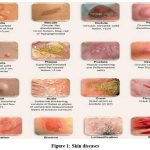 |
Figure 1: Skin diseases |
Herbs used in treatment of different skin conditions
Aloevera
There have been claims that aloe vera gel can shield the skin from radiation harm.37 Metallothionein, an antioxidant protein that scavenges hydroxyl radicals and protects the skin’s superoxide dismutase and glutathione peroxidase from being suppressed, is produced in the skin after aloe vera gel is administered. Its precise function is unknown. It stops UV-induced suppression of delayed type hypersensitivity by lowering the synthesis and release of immunosuppressive cytokines—like interleukin-10 (IL-10)—derived from skin keratinocytes.38 The goal of the current study was to create and evaluate a polyherbal gel that uses extracts from Vigna radiata and Aloe barbadensis to treat acne, a skin disorder that causes clogged hair follicles and sebaceous glands, which causes skin irritation and redness. Aloe barbadensis pulp was collected, mixed with Vigna radiata extract, and then shaped into a gel using Carbopol 940, triethanolamine, and propylene glycol as the gelling agent, viscosity modifier, and pH modifier, respectively. The antibacterial properties of the gel were evaluated against Staphylococcus aureus, Escherichia coli, and Candida albicans. Antimicrobial medications such as gentamycin and fluconazole met the requirements. The suggested formulation showed a promising zone of inhibition and the gel’s physicochemical properties were evaluated in more detail. Together with Aloe barbadensis’s skin-benefitting properties, the combination had a promising effect on acne.39
The mechanism of Aloe vera involves improving skin health through compounds like acemannan, glucomannans, and gibberellins, which promote collagen synthesis, hydration, and anti-inflammatory effects. These constituents aid in wound healing, reduce irritation, and enhance skin regeneration.
Turmeric
A staple in Asian cuisine and culture is turmeric (Curcuma longa L.). Since ancient times, it has been utilized in conventional medicine. Many health benefits have been attributed to it. In preclinical and clinical trials, the most physiologically active curcuminoid found in turmeric, curcumin, is being studied for its potential to prevent and treat disease. Its actions are antibacterial, anti-inflammatory, anti-tumor, anti-proliferative, and antioxidant. We check the chemical makeup of this plant, its cultural significance in Indian skin care, and its dermatological use.40 The C. longa rhizome’s ethanolic extract was utilized to make a gel formulation in several concentrations (1, 2, 3, and 4%). The gel’s topical anti-inflammatory properties were also evaluated. The gel was made with ethanol, propylene glycol 400, methyl paraben, propyl paraben, tri-ethanolamine, ethylenediaminetetraacetic acid, C. longa extract, Carbopol® 940 (1% w/v), and the necessary amount of distilled water. The generated formulations were assessed for their physical properties, pH, spreadability, and ability to irritate skin in order to detect toxicity or negative effects. The findings showed that the gel compositions’ homogeneity and appearance were satisfactory.41
Mechanism of turmeric involves benefiting of the skin mainly through curcumin, which has strong anti-inflammatory, antioxidant, and antimicrobial properties. Curcumin inhibits inflammatory mediators and oxidative stress, aiding in acne control, wound healing, and improving skin tone.
Neem
The big, indigenous Indian tree Azadirachta indica, sometimes known as neem, has long been used for its many benefits, chief among them the treatment of skin conditions and its “herbicidal” characteristics. The presence of active secondary metabolites having biological effects, primarily limonoids and tetranortriterpenoids like azadirachtin, makes its bark, leaves, seeds, fruits, and flowers useful in medicine. Therefore, A. indica was investigated as a biopesticide and as an anticancer, antibacterial, anti-inflammatory, and chemopreventive agent. Additionally, in the culture of A. indica, differentiated cell tissue has been shown to generate active metabolites for various uses. On the other hand, very little research has been done on its possible application in cosmetics. For example, the majority of research described the antibacterial qualities in relation to personal hygiene, dandruff, and acne. In order to help researchers and businesspeople choose A. indica derivatives as innovative cosmetic ingredients, we have compiled here not only the most popular cosmetic claims to treat acne but also the mitigation of other skin conditions linked to inflammatory and oxidative processes in recent in vivo studies and patents.42 Three medicinal plants with strong anti-inflammatory properties—Cynodon dactylon (L.) Pers., Cassia tora Linn., and Cassia alata Linn.—were chosen for the current investigation and created into polyherbal gels and the gels were made from dried methanolic extracts of Cassia tora Linn, Cassia alata Linn, and Cynodon dactylon (L.) Pers. Polyherbal gel compositions were tested for pH, viscosity, homogeneity, spreadability, and skin irritation. Formalin and carrageenan-induced rat paw edema was utilized to investigate the anti-inflammatory properties. The individual and polyherbal gel of Cynodon dactylon (L.) Pers., Cassia alata Linn., and Cassia tora Linn. were found to have anti-inflammatory qualities in both acute and chronic contexts. When compared to separate gels, polyherbal gel also shown a synergistic effect that may be helpful in treating local inflammation. The solid, jelly-like material known as herbal gel can be prepared in a variety of ways, from soft and weak to firm and robust. It is applied topically for a number of reasons, including antimicrobials, antiseptics, and protectants. Rubia cordifolia, Berberis aristata, Curcuma longa, and Azadirachta indica were combined to create the herbal gel. The antibacterial activity was tested on Escherichia coli, Pseudomonas aeruginosa, and Staphylococcus aureus. The most significant effect on hand bacteria, or Staphylococcus aureus, was observed with the herbal gel. Further research is necessary to completely comprehend the mechanism of action and to develop a formulation that can be helpful in the health sector.43
Neem exerts its effects on the skin through compounds like nimbidin, nimbin, and azadirachtin, which provide antibacterial, antifungal, and anti-inflammatory actions. These bioactive constituents help combat acne, reduce skin infections, and promote healing.
Chamomile
The plant chamomile, which belongs to the Asteraceae family, is native to the Mediterranean and southern Europe and this species has a wide range of secondary metabolites, including as flavonoids, coumarins, sesquiterpenes, and polyacetylenes, and the phytochemical composition varies depending on the growing location. The ethnobotanical knowledge of this plant has led to the widespread usage of chamomile for a variety of health issues worldwide.44
Chamomile acts on the skin through compounds like apigenin, chamazulene, and bisabolol, which provide anti-inflammatory, antioxidant, and soothing effects. These constituents help reduce redness, calm irritation, and support skin healing and regeneration.
Rosemary
The medicinal plant known as rosemary, or Rosmarinus officinalis L., is native to the Mediterranean region and is grown all over the world. In addition to its medicinal uses, it’s frequently used as a condiment and food preservative. A variety of pharmacological actions, including anti-inflammatory, antioxidant, antibacterial, antiproliferative, anticancer, and protective, inhibitory, and attenuating properties, are implemented by the bioactive molecules, or phytocompounds, that make up R. officinalis L. Therefore, this Review included both in vitro and in vivo research that address the therapeutic and preventative effects of R. officinalis L. on certain physiological illnesses produced by chemical, biological, or biochemical agents. Thus, the methods, processes, findings, and conclusions were explained. The primary goal of this study was to demonstrate that plant-based products may be used in place of currently available medications.45
Rosemary benefits the skin through compounds like rosmarinic acid, carnosic acid, and ursolic acid, which exhibit antioxidant, anti-inflammatory, and antimicrobial properties. These bioactives help protect against oxidative damage, reduce acne, and improve skin tone and elasticity.
Indian privet
Leaves were extracted aqueously to create the gel. Good medication release was demonstrated by the herbal gel formulation. The medication concentration, pH, viscosity, diffusion, spreadability, and extrudability of the herbal gel were all assessed. The gel’s medication release was satisfactory. The gel was translucent and uniform. The pH of the gel was within the acceptable range and correlated with the skin’s pH. Both spreading and removing the gel are simple processes. The gel was thick, viscous, and extrudable enough to come out of the container. Every evaluation parameter was used and stayed within the parameters Vitex negundo gel was created and assessed in response to the growing market for herbal treatments and the paucity of research that conducted an aqueous extraction of Vitex negundo leaves.46
Indian privet (Clerodendrum inerme) mechanism involves that, it acts on the skin through compounds like flavonoids, saponins, and phenolic acids, which provide anti-inflammatory, antioxidant, and antimicrobial effects. These constituents help soothe irritated skin, promote healing, and protect against infections and oxidative stress.
In light of the fact that topical herbal gels, which combine the therapeutic advantages of natural substances with cutting-edge formulation techniques, have become viable skin care solutions. This review assesses herbal gel formation procedures as well as physicochemical, biological, and clinical evaluation techniques. Important herbal components including tea tree oil, glycerine, turmeric, and aloe vera are examined for their qualities and effectiveness in treating different skin disorders. The review highlights how crucial it is to choose the right gelling agents, adjust pH levels, and carry out stability testing in order to guarantee the efficacy and safety of the product. Clinical studies demonstrate how well these gels work to treat ailments like irritation, inflammation, and acne. The purpose of this research is to present a thorough analysis of topical herbal gels and encourage their incorporation into standard dermatological therapy. The prepared gel’s physical characteristics, pH, spreading ease, thickness (viscosity), and general smoothness were all evaluated. Additionally, it was tested on human volunteers to see how well it worked on cracked heels and on rabbits to see if it caused skin irritation. Stability studies were carried out in compliance with ICH regulations and the gel was smooth, distributed smoothly, and had a nice appearance, according to the results. Between 4200 and 4500 centipoises was its thickness. The animals showed no signs of skin discomfort. During a two-week research, the gel also effectively decreased the quantity and size of pimples and aided in the healing of human volunteers’ cracked heels. It was also effective in curing skin cracks, rashes, and edema. It can be just as significant for the skin.47 Various properties like anti-inflammatory, anti-aging, anti-ulcer, anti-bacterial, antiseptic, etc., that are found in herbs were shown in table 1.
Table 1: Properties of herbs
| S.NO | PROPERTY | HERBS |
| 1 | Anti-inflammatory | Turmeric, ginger, cinnamon, garlic, chamomile and cat’s claw |
| 2 | Anti-aging | Amla, Gotu kola, Holy basil, Turmeric, Ashwagandha, Ginger, Cinnamon and Oregano |
| 3 | Anti-ulcer | Chamomile, Aloevera, Nut grass, Zingiber officinale, Cassia sieberiana |
| 4 | Anti-bacterial | Cinnamon, oregano, thyme, turmeric,myrrh, bay leaf, marjoram, peppermint |
| 5 | Antiseptic | Thyme, oregano, sage, garlic, turmeric, cumin, basil, fennel, chamomile, rosemary, clove, eucalyptus, cinnamon, mint, ginger, honey and lemon balm |
| 6 | Wound healing | Aloevera, calendula, tea tree oil, marshmallow, turmeric, gotu kola, garlic, myrrh, ginseng, fenugreek, plantain |
| 7 | Anti-tumor | Curcuma longa, ginger, rosemary, saffron, basil, peppermint, oregano, garlic, allium sativum, parsley, Asian ginseng, pepper, tea plant, sweet wormwood, soursop, scutellaria barbata |
| 8 | Analgesic | Turmeric, ginger, willow bark, lavender, rosemary, peppermint, feverfew, clove, white willow, black pepper, eucalyptus, salvia officinalis, boswellia, Russian olive, thymus genus. |
Conclusion
According to the review’s conclusion, polyherbs can be utilized to create gels with a variety of qualities, including antibacterial, anti-inflammatory, antiseptic, anti-tumor, and analgesic effects. Neem, turmeric, aloe vera, chickweed, chamomile, rosemary, oregano oil, tea tree oil, and thyme are among the herbs that can be used to make gel. Every element in the composition has a maximal therapeutic impact and little to no negative effects on the body. because every ingredient is a natural product that aids in and promotes the healing of wounds. It was discovered that the herbal gel was a natural product that could be used for a long time after being examined from all angles. The created formulation had antibacterial and anti-inflammatory properties, was more consistent, had greater spreadability, and showed no evidence of phase separation.
Acknowledgement
We thank management of CMR College of pharmacy for their continuous support and encouragement.
Funding Sources
The author(s) received no financial support for the research, authorship, and/or publication of this article.
Conflict of Interest
The authors do not have any conflict of interest.
Data Availability Statement-
This statement does not apply to this article.
Ethics Statement
This research did not involve human participants, animal subjects, or any material that requires ethical approval.
Informed Consent Statement
This study did not involve human participants, and therefore, informed consent was not required.
Clinical Trial Registration
This research does not involve any clinical trials.
Permission to reproduce material from other sources
Not Applicable
Author Contributions
Vangala Tulasi Iswariya: Conceptualization, Methodology
Anees Mohammed: Writing – Original Draft.
Kota Sanihitha: Analysis, Writing – Review & Editing.
Neerudi Sai Kiran: Administration, supervision.
Tadikonda Rama Rao: Visualization, Supervision,
References
- Ekor, M. (2014). The growing use of herbal medicines: issues relating to adverse reactions and challenges. Pharmaceuticals, 6(5), 152–162. DOI: 10.3390/ph605152
CrossRef - Collier, C. N., Harper, J. C., Cantrell, W. C., Wang, W., Foster, K. W., & Elewski, B. E. (2008). The prevalence of acne in adults 20 years and older. Journal of the American Academy of Dermatology, 58(1), 56–59. DOI: 10.1016/j.jaad.2007.06.045
CrossRef - Chandrasekar R., G. Satheesh Kumar. Formulation and Evaluation of a Poly Herbal Anti-acne gel. Research Journal of Topical and Cosmetic Sciences. 2020; 11(1):5–11.DOI: 10.5958/2321-5844.2020. 00002.3
CrossRef - Priyadarsini, K.I. The chemistry of curcumin: From extraction to therapeutic agent. Molecules. 2014; 19:20091–20112.DOI: 10.3390/molecules191220091
CrossRef - Gupta, S.C.; Patchva, S.; Aggarwal, B.B. Therapeutic Roles of Curcumin: Lessons Learned from Clinical Trials. AAPS J. 2013; 15:195–218.DOI: 10.1208/s12248-013-9463-8
CrossRef - Lestari, M.L.; Indrayanto, G. Curcumin. Profiles Drug Subst. Excip. Relat. Methodol. 2014; 39:113–204.
DOI: 10.1016/B978-0-12-800100-4.00003-4
CrossRef - Reddy, R.C.; Vatsala, P.G.; Keshamouni, V.G.; Padmanaban, G.; Rangarajan, P.N. Curcumin for malaria therapy. Biophys. Res. Commun. 2005; 326:472–474.DOI: 10.1016/j.bbrc.2004.11.070
CrossRef - Vera-Ramirez, L. et al. Curcumin and liver disease. Biofactors. 2013; 39:88–100. DOI: 10.1002/biof.1062
CrossRef - Wright, L.E. et al. Bioactivity of turmeric-derived curcuminoids and related metabolites in breast cancer. Pharm. Des. 2013; 19:6218–6225.DOI: 10.2174/13816128113199990403
CrossRef - Hay R.J. et al. The global burden of skin disease in 2010: An analysis of the prevalence and impact of skin conditions. Investig. Dermatol. 2014; 134:1527–1534.
DOI: 10.1038/jid.2013.446
CrossRef - Karimkhani C. et al. Global Skin Disease Morbidity and Mortality: An Update from the Global Burden of Disease Study 2013. JAMA Dermatol. 2017; 153:406–412.DOI: 10.1001/jamadermatol.2016.5538
CrossRef - Seth D. et al. Global Burden of Skin Disease: Inequities and Innovations. Dermatol. Rep. 2017; 6:204–210.DOI: 10.1007/s13671-017-0192-7
CrossRef - Verhoeven E.W. et al. Skin diseases in family medicine: Prevalence and health care use. Fam. Med. 2008; 6:349–354. DOI: 10.1370/afm.861
CrossRef - Parisi R. et al. Global epidemiology of psoriasis: a systematic review of incidence and prevalence. Invest. Dermatol. 2013; 133:377–385.DOI: 10.1038/jid.2012.339
CrossRef - Bhosle MJ. et al. Quality of life in patients with psoriasis. Health Qual Life Outcomes. 2006; 4:35.
DOI: 10.1186/1477-7525-4-35
CrossRef - Dawson A.L., Dellavalle R.P. Acne vulgaris. BMJ. 2013; 346:f2634.DOI: 10.1136/bmj.f2634
CrossRef - Keller JJ, Kang JH, Lin HC. Association between osteoporosis and psoriasis: results from the longitudinal health insurance database in Taiwan. Osteoporos Int. 2013;24:1835–41.
DOI: 10.1007/s00198-012-2193-0
CrossRef - Lowes MA, Russell CB, Martin DA et al. The IL-23/T17 pathogenic axis in psoriasis is amplified by keratinocyte responses. Trends Immunol. 2013;34:174–81.DOI: 10.1016/j.it.2012.11.005
CrossRef - Lowes MA, Suarez-Farinas M, Krueger JG. Immunology of psoriasis. Annu Rev Immunol. 2014;32:227–55.DOI: 10.1146/annurev-immunol-032713-120225
CrossRef - Aldredge LM, Higham RC. Manifestations and management of difficult to treat psoriasis. J Dermatol Nurses Assoc. 2018;10:189–97. DOI: 10.1097/JDN.0000000000000204
CrossRef - Azfar RS, Gelfand JM. Psoriasis and metabolic disease: epidemiology and pathophysiology. Curr Opin Rheumatol. 2008;20:416–22. DOI: 10.1097/BOR.0b013e3282ffb7b0
CrossRef - Jeon C, Sekhon S, Yan D et al. Monoclonal antibodies inhibiting IL-12, -23, and -17 for the treatment of psoriasis. Hum Vaccin Immunother. 2017;13:2247–59. DOI: 10.1080/21645515.2017.1356498
CrossRef - Kim IH, West CE, Kwatra SG et al. Comparative efficacy of biologics in psoriasis. Am J Clin Dermatol. 2012;13:365–74. DOI: 10.2165/11633110-000000000-00000
CrossRef - Machado-Pinto J, Diniz MDS, Bavoso NC. Psoriasis: new comorbidities. An Bras Dermatol. 2016;91:8–14. DOI: 10.1590/abd1806-4841.20164750
CrossRef - Thomsen SF. Atopic dermatitis: natural history, diagnosis, and treatment. ISRN Allergy. 2014;2014:354250. DOI: 10.1155/2014/354250
CrossRef - Silverberg JI, Barbarot S, Gadkari A, et al. Atopic dermatitis in the pediatric population: a cross-sectional, international epidemiologic study. Ann Allergy Asthma Immunol. 2021;126:417–28.e2.
DOI: 10.1016/j.anai.2021.01.019
CrossRef - Kay J, Gawkrodger DJ, Mortimer MJ, Jaron AG. The prevalence of childhood atopic eczema in a general population. J Am Acad Dermatol. 1994;30:35–9. DOI: 10.1016/S0190-9622(94)70189-4
CrossRef - Radzikowska-Buchner E, et al. An overview of recent developments in the management of burn injuries. Int J Mol Sci. 2023;24(22):16357. DOI: 10.3390/ijms242216357
CrossRef - Roberts DB, Travis EL. Acemannan-containing wound dressing gel reduces radiation-induced skin reactions in C3H mice. Int J Radiat Oncol Biol Phys. 1995;32:1047–52. DOI: 10.1016/0360-3016(94)00467-Y
CrossRef - Sato Y, Ohta S, Shinoda M. Protective effects of Aloe arborescens on skin injury induced by x-irradiation. Yakugaku Zasshi. 1990;110:876–84. DOI: 10.1248/yakushi1947.110.11_876
CrossRef - Byeon S, Pelley R, Ullrich SE, Waller TA, Bucana CD, Strickland FM. Aloe barbadensis extracts reduce the production of interleukin-10 after exposure to ultraviolet radiation. J Invest Dermatol. 1988;110:811–7.DOI: 10.1046/j.1523-1747.1998.00181.x
CrossRef - Gopinath H, Karthikeyan K, Manakulavinayagar S. Turmeric: condiment, cosmetic and cure. Indian J Dermatol Venereol Leprol. 2018;84:16–21. DOI: 10.4103/ijdvl.IJDVL_104_17
CrossRef - Baby AR, et al. Azadirachta indica (Neem) as a potential natural active for dermocosmetic and topical products: A narrative review. 2022;9(3):58. DOI: 10.3390/cosmetics9030058
CrossRef - Alice Teresa Valduga et al. Chemistry, pharmacology and new trends in traditional functional and medicinal beverages. Food Research International, 2019; 120: 478–503. DOI: 10.1016/j.foodres.2018.11.045
CrossRef - Jonatas Rafael de Oliveira, Samira Esteves Afonso Camargo, and Luciane Dias de Oliveira. Rosmarinus officinalis (rosemary) as therapeutic and prophylactic agent. Journal of Biomedical Science, 2019. DOI: 10.1186/s12929-019-0211-0
CrossRef - Loveleen Preet Kaur, Rajeev Garg, GD Gupta. Topical gels: A Review. Research Journal of Pharmacy and Technology, 2010; 3(1). DOI: 10.5958/j.0974-360X.3.1.001
- Vijay Gulkari, G. Misal, G. Dixit. Formulation and evaluation of polyherbal gel for anti-inflammatory activity. International Journal of Pharmaceutical Sciences and Research, 2013; 4(3).
DOI: 10.13040/IJPSR.0975-8232.4(3).1186-91
CrossRef - Bhramaramba, I. Sudheer Babu, Ch. Divya Naga Deepthi. Formulation and Evaluation of Herbal Gel Containing Terminalia chebula Retz., Leaves Extract. Scholars Academic Journal of Pharmacy, 2015; 4(3). DOI: 10.21276/sajp.2015.4.3.2
- Rajasekaran Aiyalu, Arulkumaran Govindarjan, Arivukkarasu Ramasamy. Formulation and evaluation of topical herbal gel for the treatment of arthritis in animal model. Brazilian Journal of Pharmaceutical Sciences, 2016; 52(3). DOI: 10.1590/S1984-82502016000300001
CrossRef - Mohammad Ali Shahtalebi, Gholam Reza Asghari, Farideh Rahmani, Fatemeh Shafiee, Ali Jahanian-Najafabadi. Formulation of Herbal Gel of Antirrhinum majus Extract and Evaluation of its Anti-Propionibacterium acne Advanced Biomedical Research, 2018; 7(15). DOI: 10.4103/2277-9175.228379
CrossRef - Chirag Upadhyay, Vibha Devender Pathak, Mayank Kulshreshtha. Preparation and evaluation of different herbal gels synthesized from Chinese medicinal plants as antimicrobial agents. Pharmacological Research – Modern Chinese Medicine, 2023; 09. DOI: 10.1016/j.prp.2023.100029
CrossRef - Julia Afrakoma Ansong, Emmanuel Asante, Raphael Johnson, Mariam El Boakye-Gyasi, Noble Kuntworbe, Frederick William Akuffo Owusu, Kwabena Ofori-Kwakye. Formulation and Evaluation of Herbal-Based Antiacne Gel Preparations. Biomed Research International, 2023. DOI: 10.1155/2023/1234567
CrossRef - Benedict Jose Chellathurai et al. Development of a Polyherbal Topical Gel for the Treatment of Acne. Gels, 2023; 9(2). DOI: 10.3390/gels9020075
CrossRef - Puja Kumari, Souravh Bais. Formulation and Pharmacological Evaluation of Herbal Gel Containing Curcuma longa. INNOSC Theranostics and Pharmacological Sciences, 2023; 5(1). DOI: 10.1007/s40517-023-00234-5
CrossRef - Swami A, Raut D, Kadam S, Mhatre D, Gadhave R, Ozarde Y, Mehta P. Formulation and evaluation of topical herbal gel formulation from aqueous extract of Vitex negundo International Journal of Biology, Pharmacy and Allied Sciences, 2024; 13(6). DOI: 10.5330/IJBPAS.2024.13.6.123
CrossRef - Rituraj Rajjan Singh et al. Formulation and evaluation of herbal gel. International Journal of Pharmaceutical Sciences, 2024; 2(6). DOI: 10.5281/zenodo.1234567
- Pathan N. Hakimkhan, Punam B. Mahanor, Mayuri R. Mandlik. Formulation and evaluation of topical herbal gel for skin. World Journal of Pharmaceutical Research, 2025; 14(2). DOI: 10.5281/zenodo.1234568

This work is licensed under a Creative Commons Attribution 4.0 International License.